
 11

The relationship between libido and age is a common concern, particularly when sexual desire gradually changes from what once felt natural and familiar. But is it natural for libido to change with age? In short, yes. Some degree of change is common, but persistently low sexual desire is not necessarily an unavoidable part of getting older.
In addition to hormonal changes, overall health, stress, sleep, relationships, certain medications, menopause, and age-related hormonal changes can all influence sexual desire.

Sexual desire is not controlled by a single hormone or determined solely by age. It is a complex process influenced by biological, psychological, and social factors.
For women, perimenopause and menopause can be particularly important stages. Changes in estrogen levels may contribute to vaginal dryness, discomfort, or pain during sex, which can indirectly reduce sexual desire.
Stress, tiredness, mood changes, and relationship issues can also affect libido.
Therefore, sexual desire in older women does not necessarily disappear. Instead, the way desire develops may change. For some women, spontaneous desire may become less common, while sexual interest may develop after intimacy and physical arousal have already begun.
In men, testosterone levels generally decline gradually with age. However, this does not mean that every older man will experience low testosterone or a significant reduction in libido.
Sexual desire can also be affected by stress, fatigue, certain medical conditions and medications, as well as erectile difficulties.
This is why sexual desire in older men should be considered in the context of overall health rather than attributed to age alone.
There can be significant differences in low libido by age, so there is no specific age or level of sexual activity that automatically indicates that someone’s libido is “too low.”
A more important question is whether the change is causing distress, appeared suddenly, or is affecting your wellbeing or relationship.
In women, for example, low sexual desire may be associated with medications, diabetes, high blood pressure, menopause, depression, anxiety, or painful sex.
If a change is sudden or persists over time, speaking with a healthcare professional can be worthwhile. Identifying the underlying cause is often more useful than simply looking for a “libido booster.”
Low libido treatment for women does not involve one universal solution. The first step is determining whether the underlying cause is hormonal, physical, psychological, medication-related, or connected to relationship factors.
Potential approaches may include:
Treatment for low sexual desire in women may involve a combination of approaches, depending on the underlying cause.
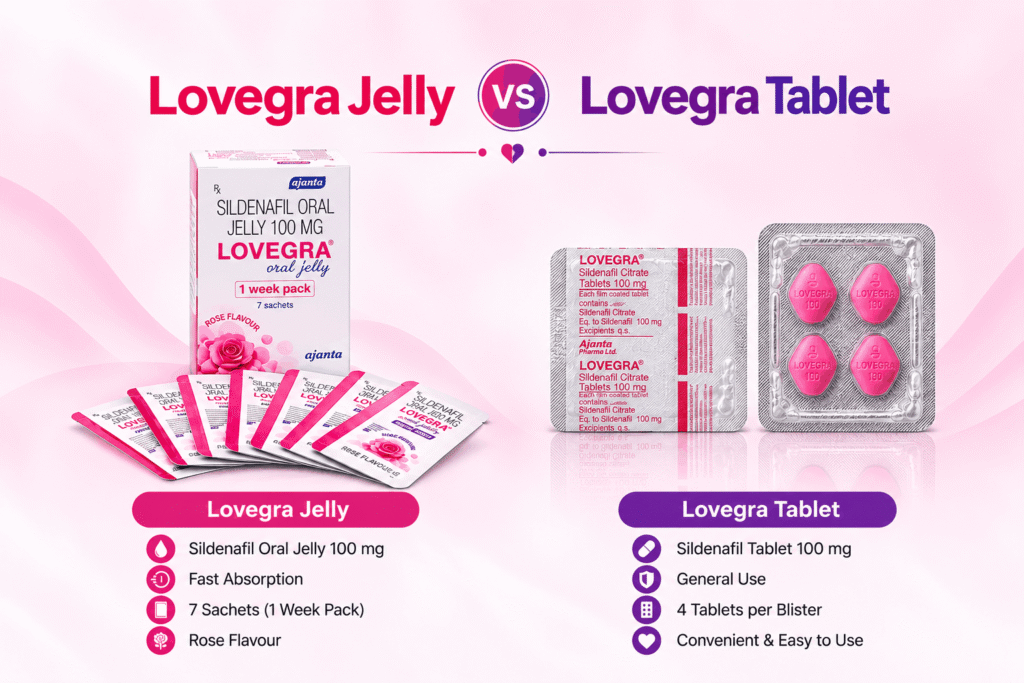
Online, Lovegra tablets and Lovegra gel are often marketed as products for female sexual desire. It is important, however, to distinguish between sexual desire and physical sexual arousal.
Sildenafil-containing medicines are primarily associated with the treatment of erectile dysfunction and should not automatically be considered proven general libido enhancers for women.
Therefore, before purchasing products from a Kamagra shop or another online source, it is particularly important to verify the product’s authenticity, regulatory status, ingredients, and potential drug interactions.
For women experiencing low sexual desire, choosing an appropriate treatment should ideally involve consultation with a healthcare professional, particularly during menopause or when taking regular medication.
The solution is not necessarily a single tablet. Adequate sleep, regular physical activity, stress management, healthy relationship communication, and openly discussing sexual concerns can all play an important role.
Most importantly, the relationship between libido and age should not be assessed based on age alone. Older adults can continue to have a satisfying and enjoyable sex life. However, when a persistent reduction in sexual desire becomes bothersome, it is worth investigating whether there is an underlying and treatable cause.