 11
11
Mental health and sexual wellness are often discussed as two separate areas. One is associated with therapy and emotional wellbeing, while the other is usually discussed in a medical setting. In reality, the two are closely connected. The brain plays an important role in stress, mood, sexual desire, arousal, and physical response. When mental wellbeing is affected, sexual health can be affected too.
For many men, changes in sexual performance are not necessarily caused by a physical problem alone. Sometimes, they can be connected to stress, anxiety, low mood, or emotional pressure. Understanding that connection can be an important first step toward improving both mental and sexual wellbeing.

Sexual arousal starts in the brain. Desire, arousal, physical response, and satisfaction all involve a combination of thoughts, emotions, hormones, and physical processes.
Because of this connection, ongoing emotional pressure can interfere with sexual function. Chronic stress, for example, can affect hormone balance, circulation, sleep, and overall energy. Someone may be physically healthy but still experience sexual difficulties when their mind is constantly overwhelmed.
Mental and emotional strain can affect several areas, including:
• Sexual desire and interest in intimacy
• The ability to become or maintain arousal
• Orgasm and overall sexual satisfaction
• Emotional connection with a partner
• Relationship satisfaction
• Confidence and body image
This is one reason sexual wellness is increasingly viewed as part of overall physical and mental wellbeing rather than something that exists on its own.
Everyday stress is one of the most common factors associated with temporary sexual difficulties. It does not always take a major life crisis to affect sexual function. Work deadlines, financial concerns, family responsibilities, relationship problems, and everyday pressure can all contribute.
When the body enters a stressed state, it focuses more on dealing with perceived threats than on intimacy. Hormones such as cortisol and adrenaline increase, while the nervous system remains more alert. That state is not ideal for sexual arousal or relaxation.
Some people may notice difficulty getting or maintaining an erection, lower sexual desire, poor sleep, reduced energy, or decreased confidence. When stress is the main contributor, these problems may improve as the underlying pressure becomes more manageable.
Performance anxiety can be particularly difficult because it can create its own cycle. It may begin after one disappointing sexual experience. The person then starts worrying that the same thing will happen again.
During the next intimate moment, instead of focusing on connection and pleasure, their attention may shift toward whether they will perform successfully. That anxiety can make arousal more difficult, which may create another disappointing experience and strengthen the original fear.
Signs can include constantly thinking about performance, feeling tense during intimacy, worrying about disappointing a partner, or avoiding sexual situations altogether.
Breaking this cycle often requires more than simply trying harder. Open communication with a partner, relaxation techniques, and professional support can help reduce the pressure and make intimacy feel more natural again.
Depression does not always appear through sexual symptoms, but changes in sexual wellbeing can be one of its effects. Depression can reduce motivation, energy, pleasure, and emotional connection, all of which can influence sexual desire.
Someone experiencing depression may notice a lower libido, difficulty becoming aroused, or less enjoyment during intimacy. Some antidepressant medications can also cause sexual side effects, so it is important to discuss these concerns with a healthcare professional rather than stopping medication without medical guidance.
When depression is properly addressed through therapy, lifestyle changes, medication, or a combination of approaches, sexual wellbeing may also improve as mood, energy, and emotional connection begin to recover.
Yes. Stress, anxiety, depression, and emotional exhaustion can all affect sexual desire. When someone is dealing with constant worry or emotional distress, the brain naturally focuses on those concerns instead of intimacy and pleasure. As a result, sexual interest may decrease even when there is no obvious physical problem.
A temporary drop in libido does not automatically mean there is an underlying medical condition. Better sleep, regular physical activity, stress management, and appropriate emotional support may help restore sexual interest over time.
There is no single solution that works for everyone, but several healthy habits can support both mental and sexual wellbeing.
Prioritize sleep. Getting around 7 to 9 hours of quality sleep can support energy, hormone regulation, mood, and overall health.
Stay physically active. Regular movement can improve circulation, support cardiovascular health, reduce stress, and improve mood. Even a daily walk can be a useful starting point.
Make time to relax. Breathing exercises, meditation, yoga, and other relaxation techniques can help calm the nervous system and reduce mental tension.
Communicate with your partner. Honest conversations can reduce pressure and help both partners understand that intimacy is about connection rather than perfect performance.
Limit alcohol and tobacco. Excessive alcohol use and tobacco can negatively affect cardiovascular health and may contribute to erectile difficulties over time.
Seek professional advice when needed. If sexual difficulties continue, a healthcare provider can help determine whether stress, mental health, medication, or physical health factors may be contributing.
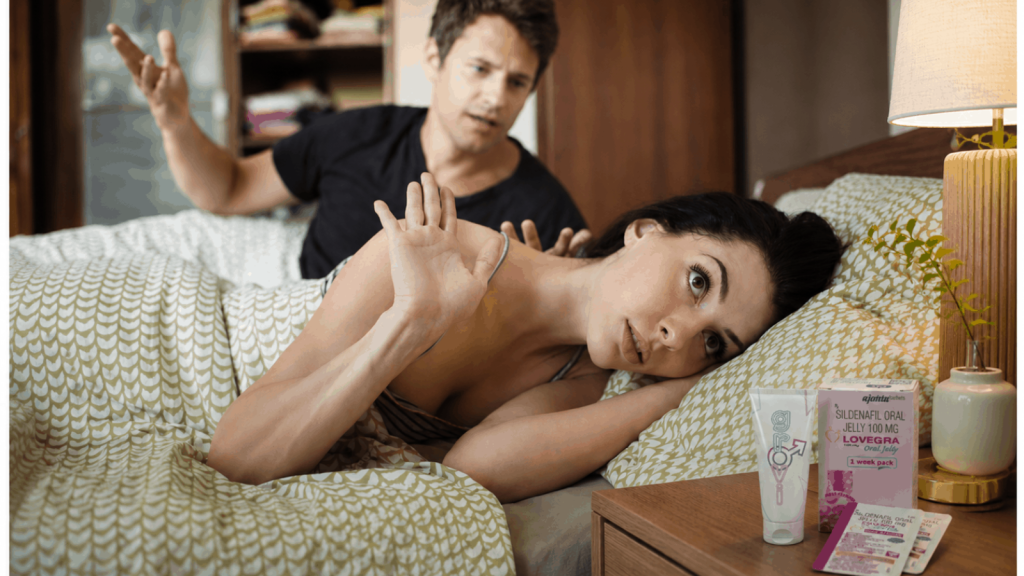
Sexual wellness is about more than medication. Lifestyle habits, emotional wellbeing, healthy relationships, and appropriate medical guidance can all play an important role.
For men experiencing erectile difficulties, treatments such as sildenafil may be appropriate in certain circumstances. If a healthcare professional has determined that sildenafil is suitable for you, you can explore the available original Kamagra products at ferfimagabiztossag.com, along with resources covering erectile dysfunction, mental health, and sexual wellbeing.
Occasional sexual difficulties are common, particularly during periods of stress or emotional pressure. A single experience does not necessarily mean there is a serious problem.
However, it may be worth speaking with a qualified healthcare professional if the problem:
• Continues for several weeks or longer
• Happens regularly rather than occasionally
• Creates tension within a relationship
• Occurs alongside persistent anxiety or low mood
• Starts affecting your confidence or quality of life
A healthcare professional can help identify whether the issue is primarily psychological, physical, medication related, or a combination of several factors. They can also recommend appropriate and medically supervised treatment when necessary.
Looking for original Kamagra products? ferfimagabiztossag.com offers Kamagra Tablets, Kamagra Oral Jelly, Kamagra Gold, and other erectile dysfunction products. You can explore the available options and learn more about erectile health while considering your overall sexual wellbeing.
Sexual intimacy involves much more than physical performance. Emotional safety, trust, communication, confidence, and connection can all influence the experience.
Taking care of mental wellbeing through better sleep, regular movement, stress management, healthy communication, and professional support when necessary can benefit many areas of life, including sexual health.
The most effective approach is often one that considers both the mind and the body. After all, they are not separate systems. They constantly influence each other, and supporting one can help support the other as well.